
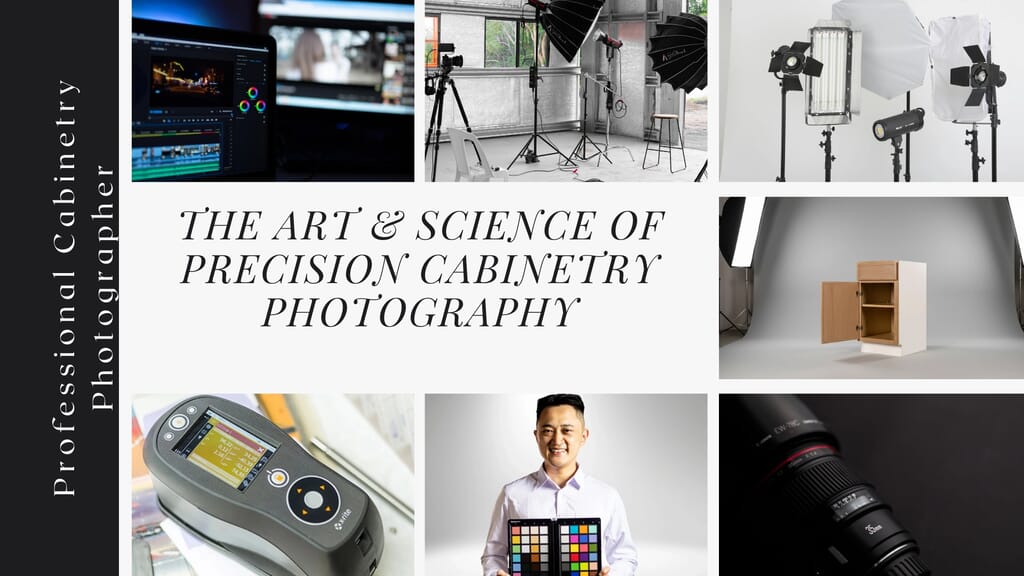
In the world of interior design and cabinetry, a photograph is often the first handshake between a product and a potential buyer. But beyond aesthetics, professional photography serves a critical functional role: Truth.
The High Cost of Color Discrepancy
Why is cabinetry photography so important? It is the foundation of marketing, but more importantly, it is about managing expectations. A high-quality image must realistically reflect the product’s color to ensure the buyer’s expectation aligns perfectly with the delivered reality.
“In my personal experience overseeing over 10,000 multi-family kitchen units, I have seen firsthand that most buy-sell disputes arise not from quality issues, but from color discrepancies—where the photo promised one shade, and reality delivered another.”
Good product photography adds value to the project without losing authenticity. It bridges the gap between digital inspiration and physical installation.
Mastering the Variables: How to Ensure Accuracy
Achieving color accuracy isn’t about slapping a filter on an iPhone shot. Color shifts come from various sources: the recording device (phone vs. pro camera), internal sensor settings, environmental reflections, and light quality.
To control these variables and achieve a neutral, true-to-life image, we treat photography as a science. Here is the protocol:
1. The Environment: The Darkroom Standard
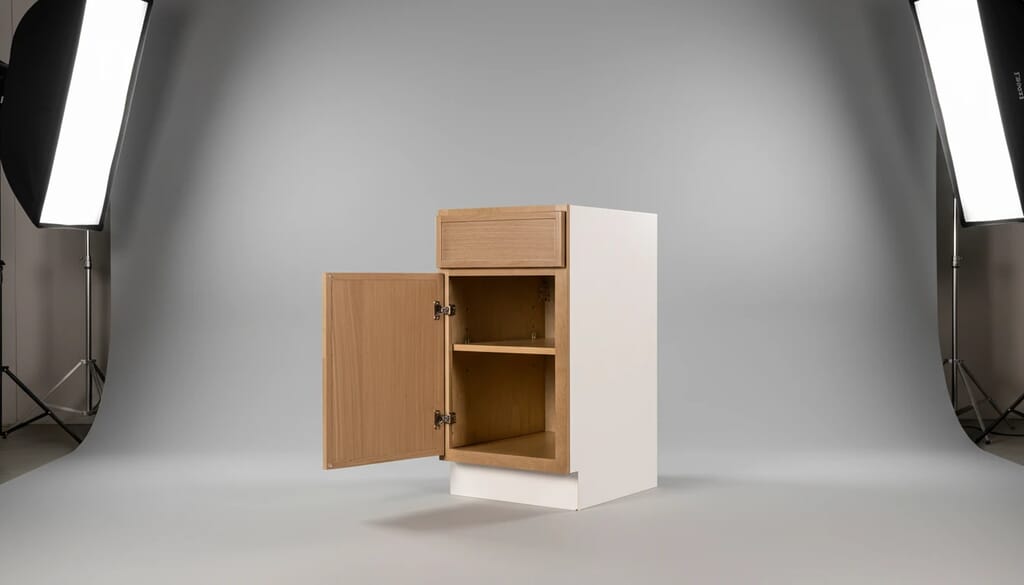
Absolute control starts with a controlled darkroom environment. We utilize artificial, constant color-temperature light sources.
The Standard: 5600K (Daylight balanced).
The Setup: A strategic 3-light LED layout provides the foundational lighting required to eliminate environmental color contamination.
2. The Gear: Resolution and Optics
Stable equipment is non-negotiable.
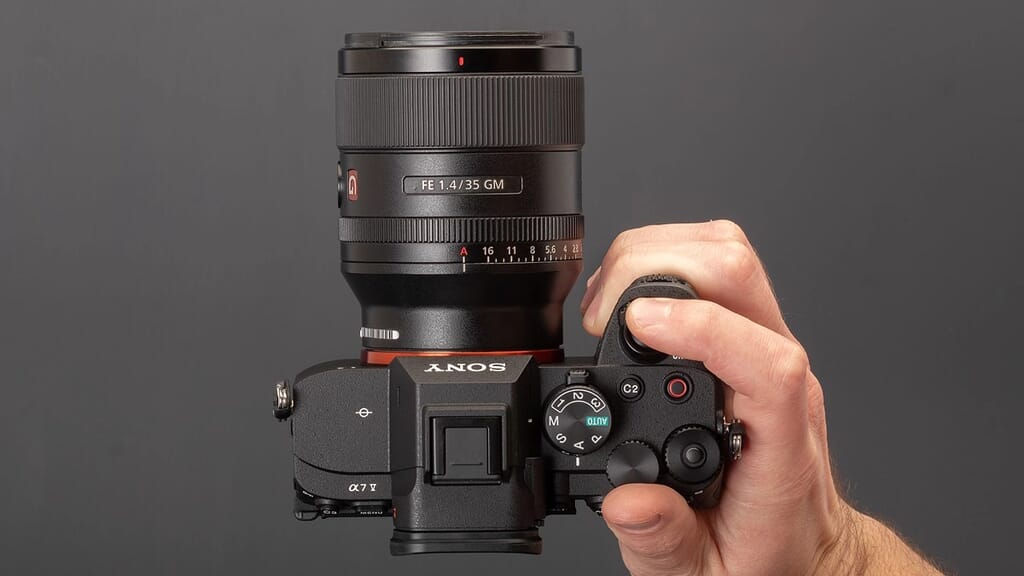
Camera: We recommend a mirrorless camera with a sensor resolution of 33MP or higher.
Lens: A 50mm f/1.4 prime lens. This focal length mimics the human eye, eliminating wide-angle distortion and providing the most ideal product representation.
3. Color Neutrality: The Calibration
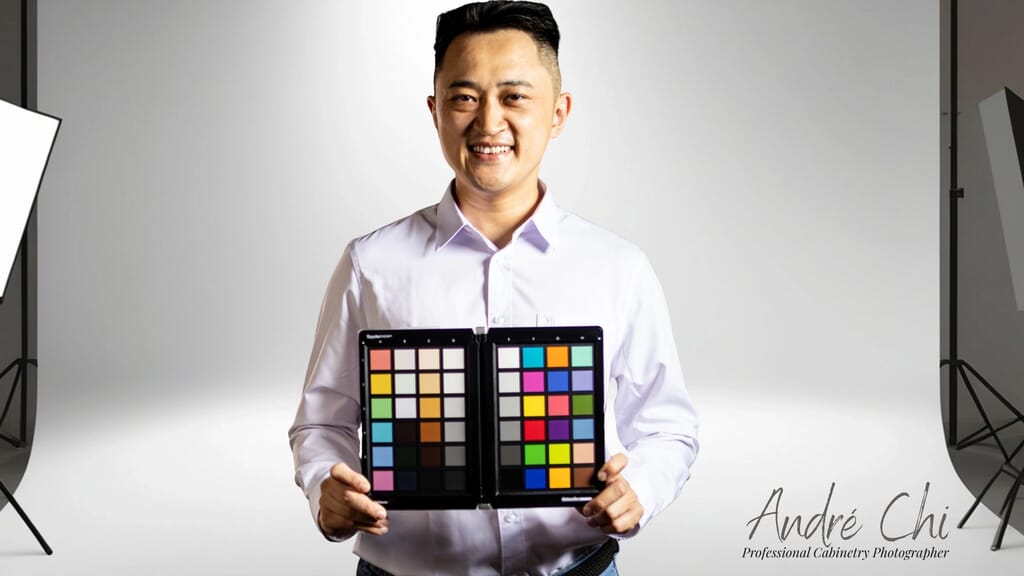
Camera sensors have their own biases, regardless of the brand. To neutralize this, we use color calibration software (such as SpyderCheckr). This ensures that the camera’s interpretation of “red” or “blue” is objectively correct, not stylistically skewed.
4. Scientific Verification: Beyond the Lens
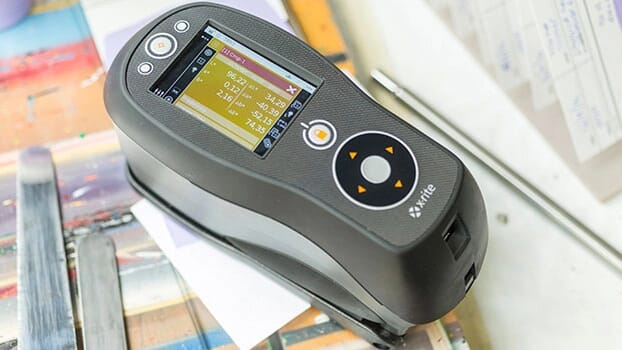
Photography captures the look, but data proves the truth. The product’s base color must be accurate before the shutter even clicks. We utilize high-precision spectrophotometers, specifically the X-Rite Ci64, to obtain the most accurate color parameter data from the physical cabinet finish.
5. Post-Processing: The Digital Darkroom
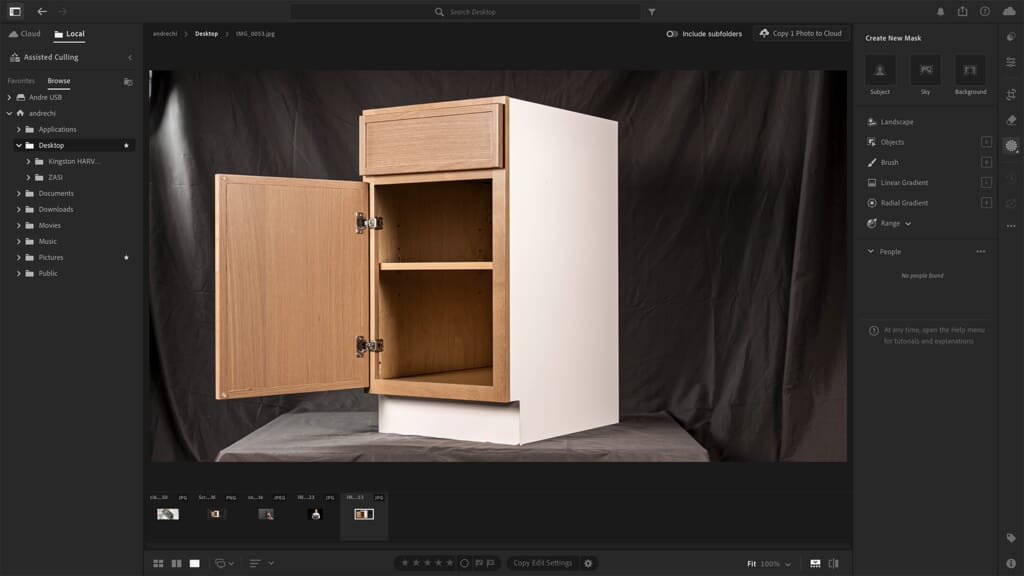
Professional software like Lightroom & Photoshop is essential—not to manipulate the reality, but to refine it. We use these tools to cross-reference our images against the data from the SpyderCheckr and the X-Rite Ci64, verifying the color accuracy repeatedly until the digital image matches the physical scientific data.
The Philosophy: A Culture of Color Control
Finally, we must address the operator’s mindset. The cabinetry industry relies on long-term stability.
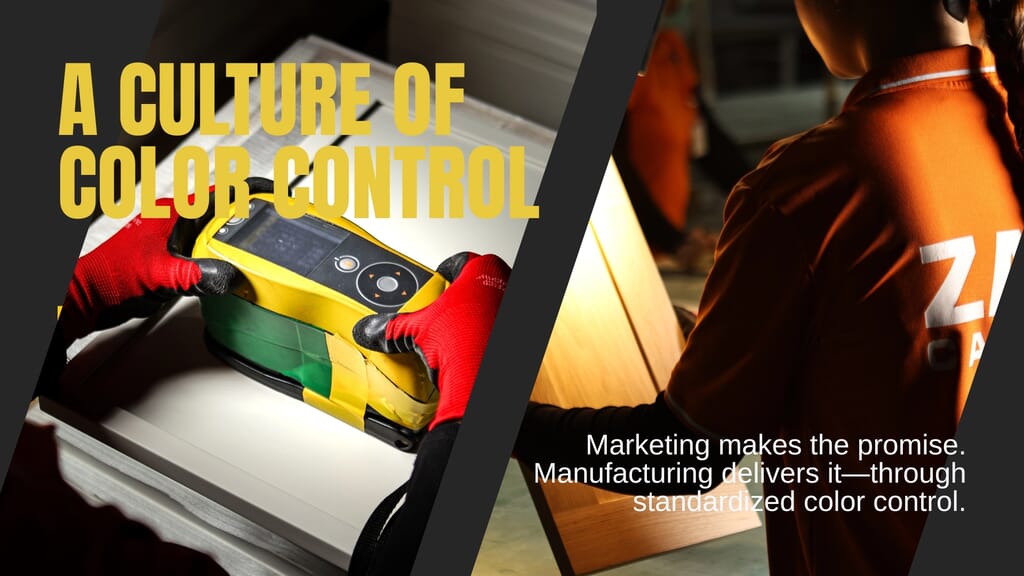
Producing a stunning marketing photo does not guarantee that the factory will ship the correct color. Marketing is the promise; manufacturing is the delivery. Therefore, we must standardize color control at the factory level.
“The concept of ‘Color Matching’ must be deeply rooted as a bottom-layer management culture, ingrained in every operator.”
Only when standardized manufacturing meets precision photography can we truly say we have a correct understanding of cabinetry marketing.
I am Andre, focused on RTA cabinetry design and marketing. For more insights on the intersection of cabinetry aesthetics, photography, and industry standards, follow the ZASI Cabinetry Blog. We regularly share actionable industry insights and “dry goods” for professionals.
Thank you.